History

The “Waterkeeper” concept dates back to the 19th-century English tradition where Riverkeepers were the wardens of private streams, assuring the waters were healthy, well stocked and free of poachers. In the 1980’s, fishermen concerned about pollution in New York’s Hudson River started the first Waterkeeper program in the United States. Today, there are over 300 Waterkeeper programs across the globe, and together they comprise the Waterkeeper Alliance. Each Waterkeeper has a common goal to protect water quality through active stewardship, research, advocacy, and education.
In concert with this organizational history, Cook Inletkeeper acknowledges that the Inlet and surrounding lands have been home to the Dena’ina, Sugpiaq/Alutiiq people of Alaska’s Southcentral region for thousands of years, long before the occupations of settler culture or the “Waterkeeper” concept. Indigenous stewardship and relationships to traditional lands and ways of life are essential matters of any developing environmental or economic solution for Alaska’s future generations.
Now in its 3rd decade, Cook Inletkeeper continues to fight for clean water and healthy habitat.

1994
A group of concerned Alaskans come together for a workshop on environmental law, science, and policy and set the wheels in motion to pursue a Waterkeeper program for Cook Inlet.
1995
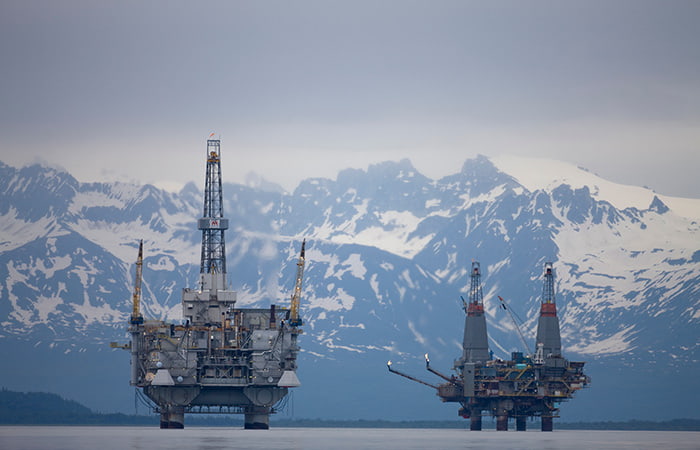
Cook Inletkeeper (originally named “Cook Inlet Keeper”) formally incorporated with settlement proceeds from a landmark Clean Water Act lawsuit against Cook Inlet oil and gas producers.
1996
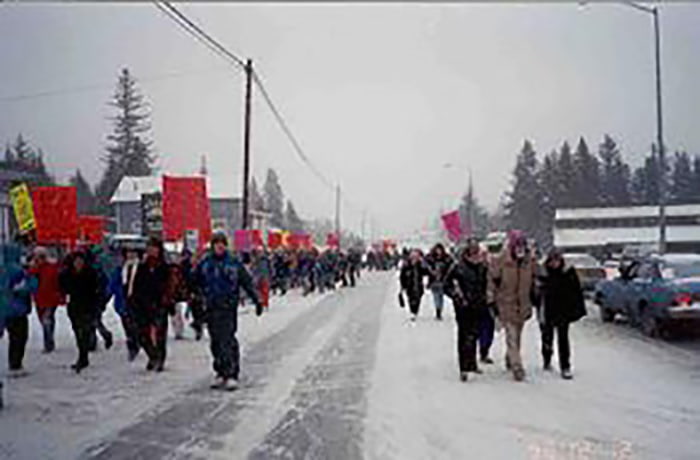
Organized more than 500 people to meet with Alaska’s Governor Knowles, which led to the reduction of a proposed 2 million acre offshore oil and gas lease sale to actual leasing of just 2,000 acres.
1997
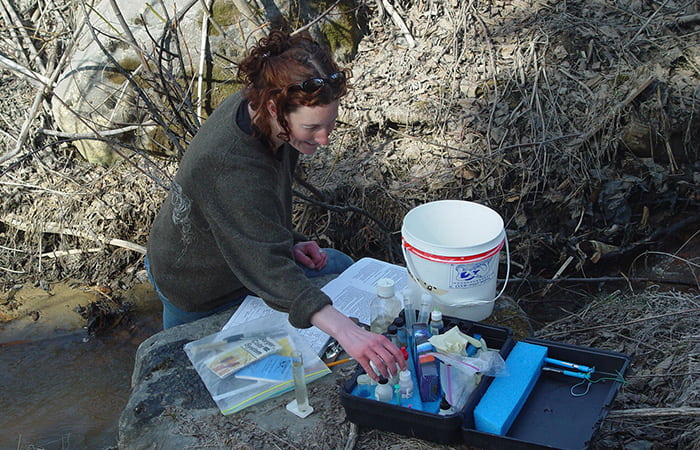
Established Alaska’s first agency-approved citizen-based water quality monitoring program, and trained over 500 citizens to collect scientifically defensible data to guide better resource management decisions.

1998
Teamed with Tribal plaintiffs to force the Environmental Protection Agency to conduct the first-ever studies on oil industry pollutants in traditional Native subsistence foods in Cook Inlet.

1999
Prevailed in landmark litigation that deleted over 660,000 acres of sensitive beluga whale habitat from the State’s annual 4.2 million acre areawide oil and gas lease sale.

2000
Organized grassroots effort to restrict jet skis in the Kachemak Bay Critical Habitat Area – an important Native subsistence area and now the world’s largest jetski-free zone.

2001
Released first-ever technical critique of Cook Inlet pipelines, leading to new rules and oversight policies that have reduced spills and leaks over 90%.

2002
Litigated to set crucial precedent prohibiting the operator of the newest offshore oil platform in Cook Inlet from discharging toxic oil wastes into important fisheries and Native subsistence resources.
2003
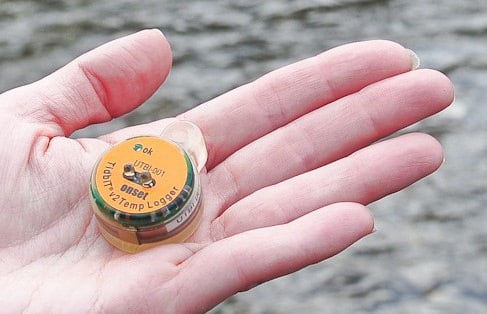
Launched first stream temperature monitoring effort in Alaska to study effects of climate change on wild salmon streams.

2004
Worked with Native Tribes, fishing groups, and others to oppose a 2.5 million acre offshore oil and gas lease sale, leading to no industry bids and a canceled lease sale.
2005
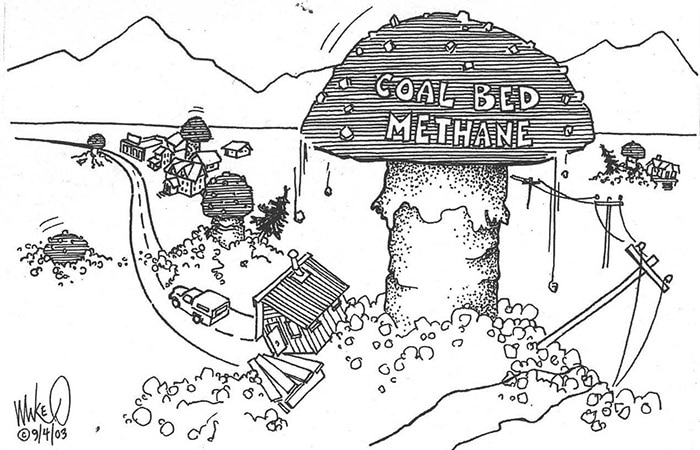
Co-led fight to drive coalbed methane development from Southcentral Alaska; in 2004, the State of Alaska rescinded its short-sighted CBM program, and in 2005, companies relinquished over 300,000 acres of leases in the state’s most populated areas.
2006
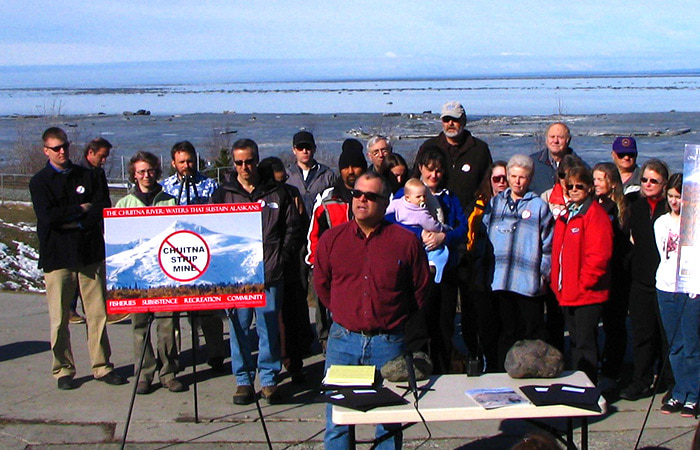
Secured “Most Endangered Rivers” status for Chuitna River, threatened by massive coal strip mine development, and elevated coal as primary issue in Alaska conservation community.
2007
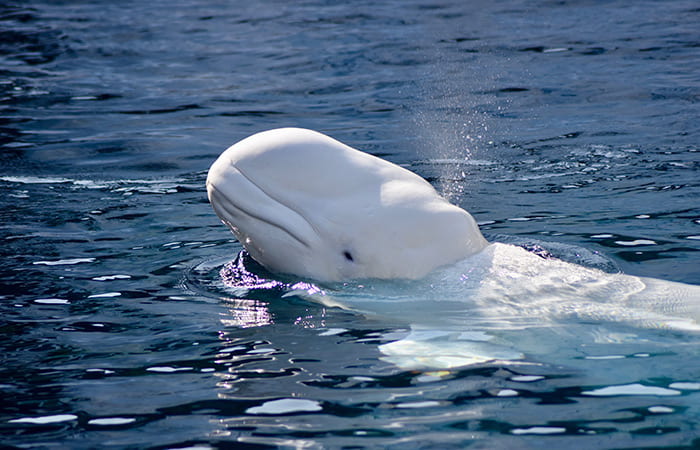
Secured endangered species listing process for beleaguered Cook Inlet beluga whale, with critical habitat near the proposed Chuitna coal mine.
2008
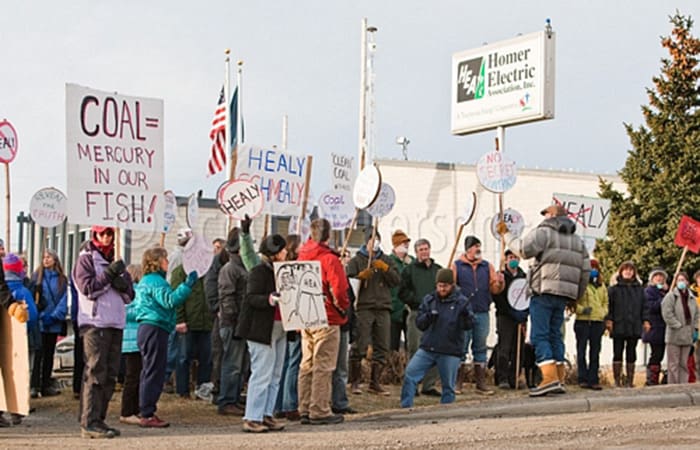
Formalized creation of the Alaska Coal Working Group, and helped stymie development of a massive coal gasification project slated for a defunct fertilizer facility.
2009
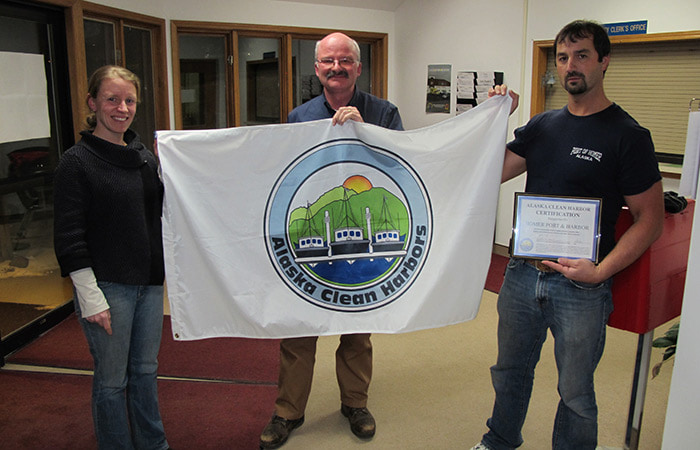
Worked with local municipalities and harbormasters to kick-off Alaska’s first Clean Harbors Certification Project, designed to save money while reducing boat-based pollution.
2010
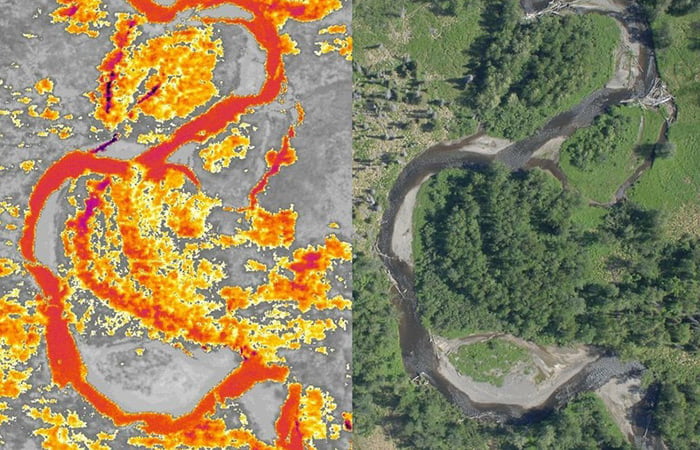
Acquired thermal infrared imagery for the first time to identify where cool groundwater connects to warming stream channels to guide conservation priorities for salmon habitat.
2011
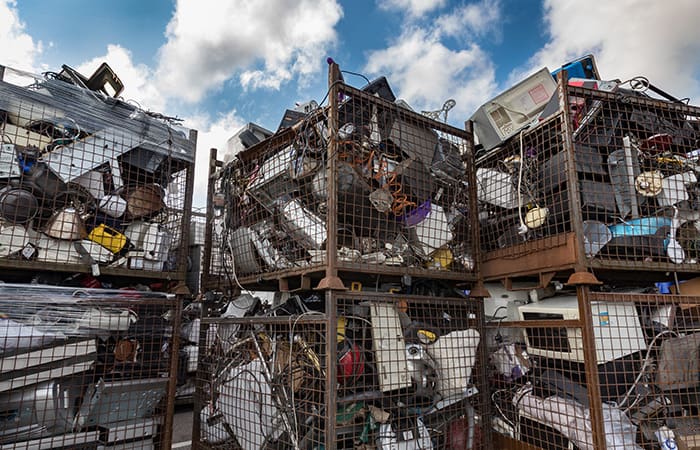
Expanded Homer’s annual electronics recycling program to Port Graham, Nanwalek, Seldovia, Ninilchik, Soldotna, Kenai, and Cooper Landing and, since 2006, kept more than 200,000 pounds of waste from local landfills.

2012
Began a 5-year targeted outreach effort to reduce boat-based pollution in Big Lake and the Little Susitna River by distributing informational clean boating kits, and helping to implement best management practices around boat launches to prevent spills and save money.
2013
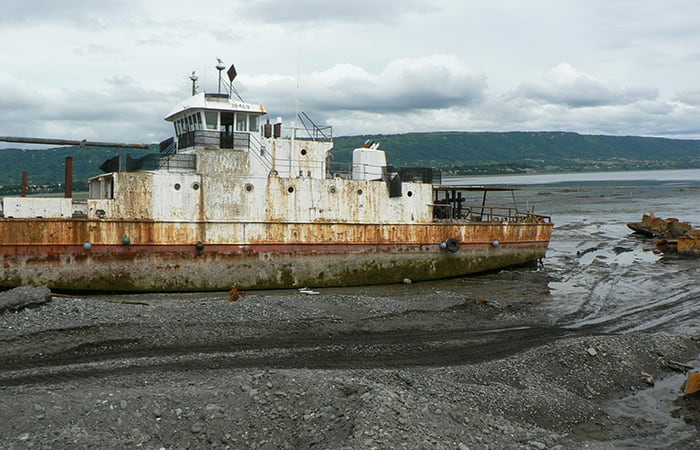
Assisted with the passage of legislation to improve Abandoned & Derelict Vessel management in Alaska.

2014
Played a central role in mobilizing broad public opposition to Governor Parnell’s water rights permitting reform bill, House Bill 77, resulting in the death of the bill.

2015
Launched the Alaska Food Hub, an online marketplace for 100% locally grown, harvested and made products, to create greater community and low-carbon resilience through a strong local food economy.
2016
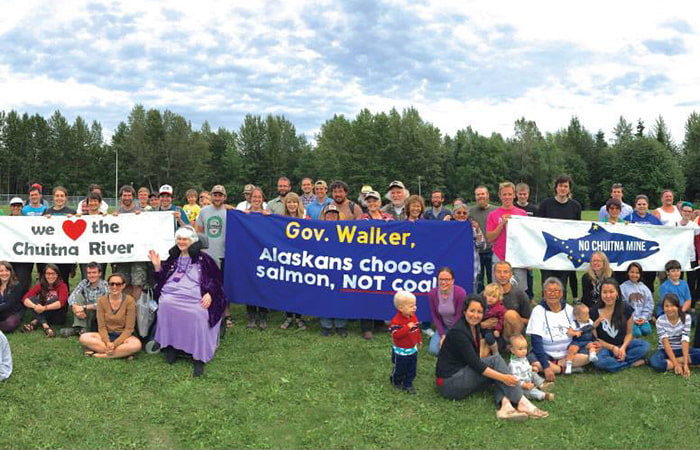
Led the Alaska Coal Working Group to stop the Chuitna coal mine and a half dozen other coal projects to keep over a billion tons of CO2 out of the Earth’s atmosphere.

2017
Published the first regional study of stream temperatures in non-glacial salmon streams across Cook Inlet assessing impacts from land-use and climate change.
2018
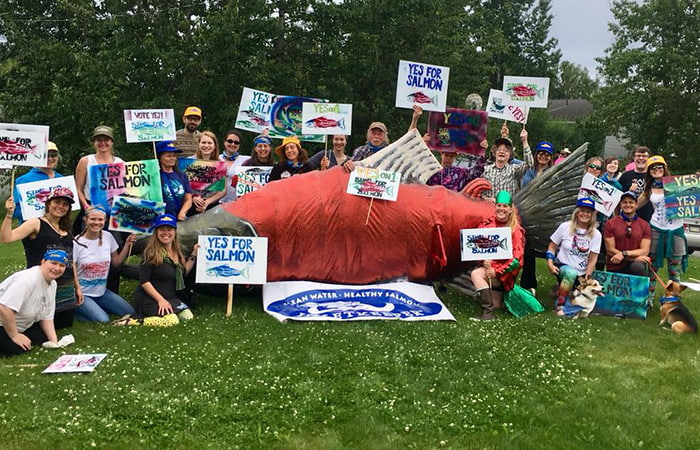
Helped build the Stand for Salmon movement to expose the myth of rigorous permitting in Alaska with a statewide coalition using data-driven organizing tactics.
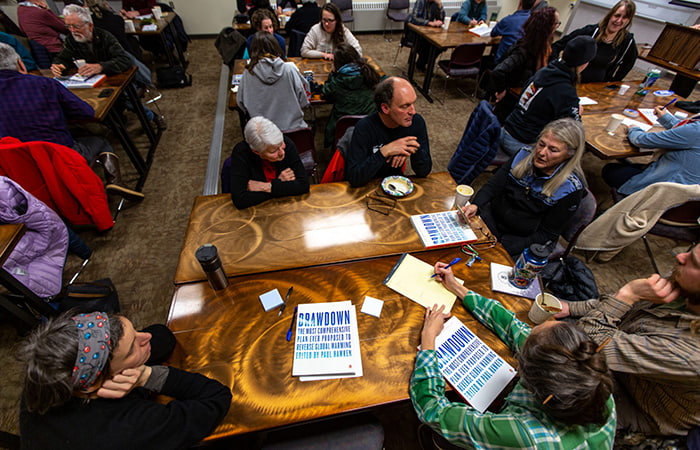
2019
Supported youth voices and led community action through our Drawdown Climate Action Series to find inclusive, scalable, meaningful and Alaskan solutions to our climate crisis.
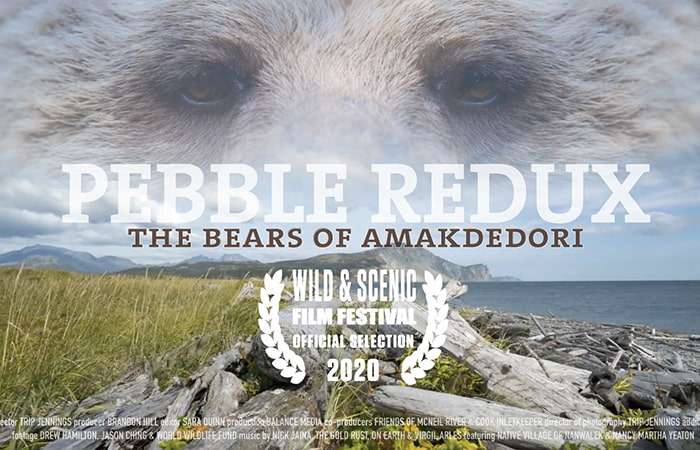
2020
Premiered Pebble Redux: The Bears of Amakdadori at the Wild and Scenic Film Festival highlighting the devastating threats the proposed Pebble Mine poses to the tourist economy and bear and salmon habitat on the west side of Cook Inlet and Bristol Bay.
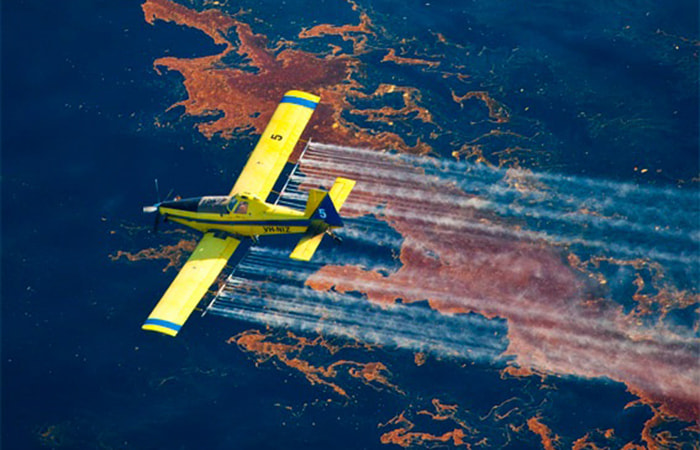
2021
Prevailed in a federal lawsuit to force EPA to update outdated rules on the science around using dispersants for oil spills under the Clean Water Act.
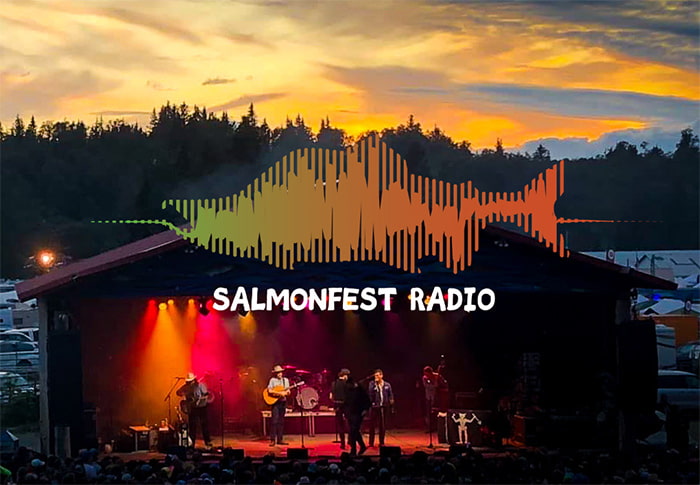
2022
Launched the second season of Salmonfest Radio, elevating Indigenous voices and salmon champions fighting for better fisheries and land management and against mega-mining projects.
2023
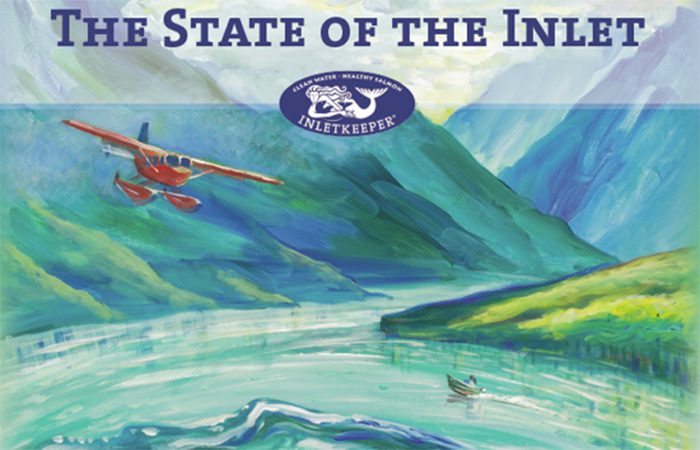
Produced the 2nd edition of The State of the Inlet report, following a series of community conversations to hear directly from Alaskans about current conditions of our waters, watershed, and communities.

Our Logo – Sedna
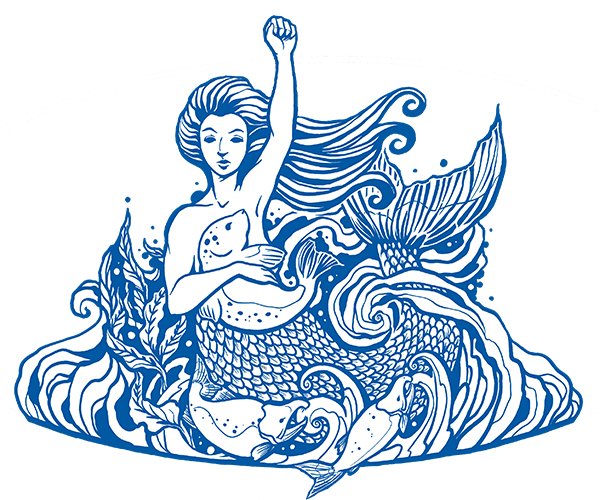
Cook Inletkeeper has embraced “Sedna” – a goddess figure from Inuit origin stories – as its logo. Maritime cultures throughout the world have mythologies built around a sea goddess whose role it is to protect the ocean’s creatures and assure proper action for successful hunting and gathering resources from the sea. The Inuit peoples of the Arctic describe Sedna as the Mother of Sea Beasts, one of the primal forces of nature. During a dispute she was thrown out of a kayak and while trying to get back in, her fingers were severed. Her fingers then grew into fish, seals, whales, and all of the other sea creatures. She lives eternally on the ocean’s bottom and her tragic story explains the creation of all sea life. As a life-death symbol, she is feared and demanding. Proper action and due respect are required by us humans if we are to live harmoniously with nature and reap the ocean’s bounty. We have chosen the Sedna symbol to convey our program of caring, vigilance, and responsibility.