
Inletkeeper Blog
Protect our Bear Coast – Say No to Oil Spills
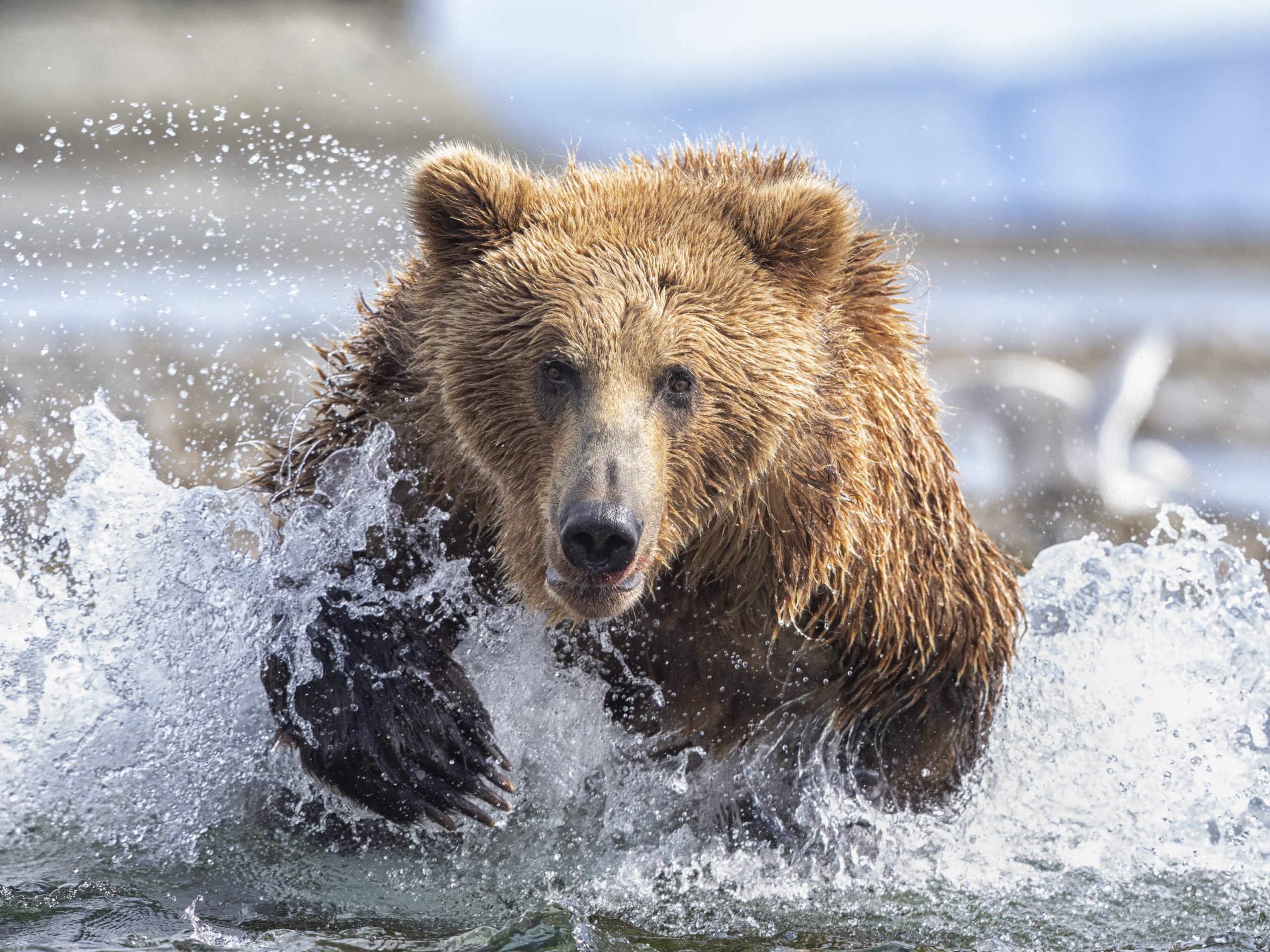
Fat Bear Week brings the wonder and joy of our Cook Inlet bears to people around the world! This year--for the fourth time!!--Otis (or brown bear 480) was crowned king! Otis--relying on the amazing rich nutrients in Katmai--ended the season weighing over 1,000...
Growing Sustainable Roots for Alaska’s Farmers Markets, Farm Stands, and CSAs
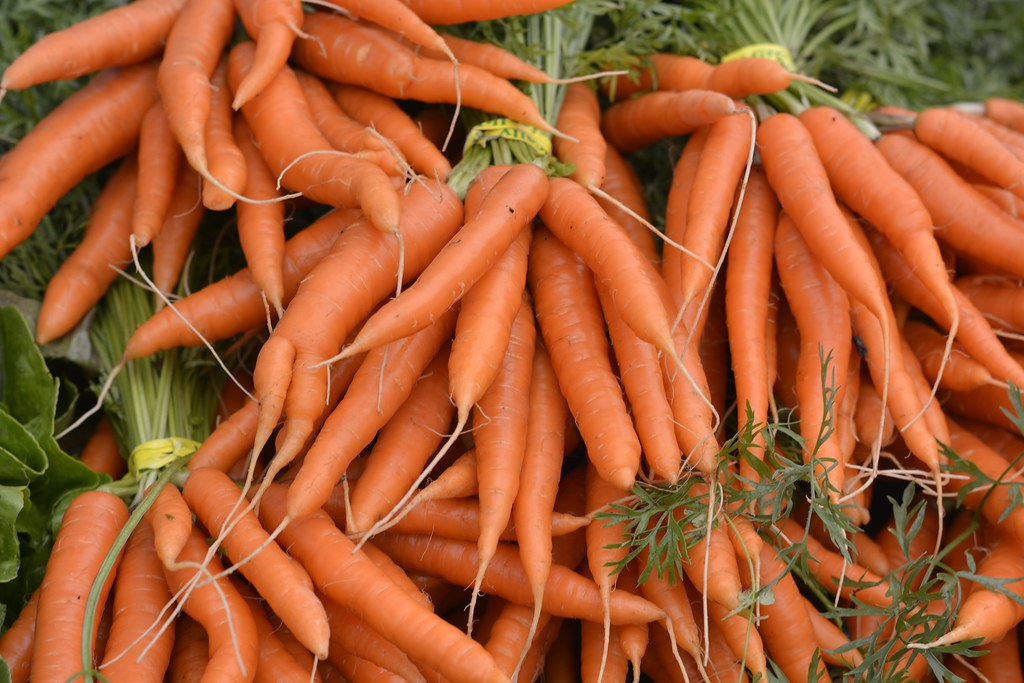
December 1, 2021FOR IMMEDIATE RELEASE: Alaska Farmers Market Association awarded a USDA Grant to support farmers markets, farm stands, and Community Support Agriculture Homer, AK- The United States Department of Agriculture (USDA) has awarded $37.5 Million this year...

Thankful and Reflective
This Thursday is complex. Many of us grew up spending the day with friends and family celebrating Thanksgiving. But Thursday is also a National Day of Mourning where we must remember our nation’s tragic history with the indigenous peoples who have called North America...

We Cannot Wait for International Politics: Climate Action Now.
International politics, law, and negotiation are crazy things. They are essential for world-wide problems where without global commitment, we cannot likely achieve an outcome; but at the same time incredibly frustrating and more aspirational than proactive in trying...
Playing Russian Roulette with Lower Cook Inlet
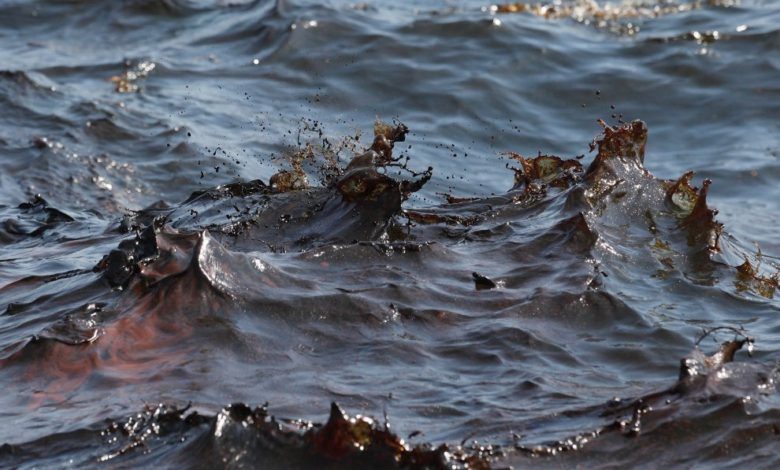
Over the last fifty years, U.S. waters have been affected by almost 50 oil spills over 420,000 gallons. A few of the most famous are: Santa Barbara, California (1969): 3 million gallons spilled from an offshore platform blowout creating a 35 mile long oil slick. ...

Make Your Voice Heard for the Inlet!
Last week we asked you - our Inletkeepers - to stand up for Lower Cook Inlet and say “no” to the proposed oil and gas lease sale in Lower Cook Inlet. If you haven’t already signed the petition, please do so at staging.inletkeeper.org/ls258 - and then share with 5...
ALASKANS CALL FOR STOP TO TOXIC OIL DUMPING IN COOK INLET
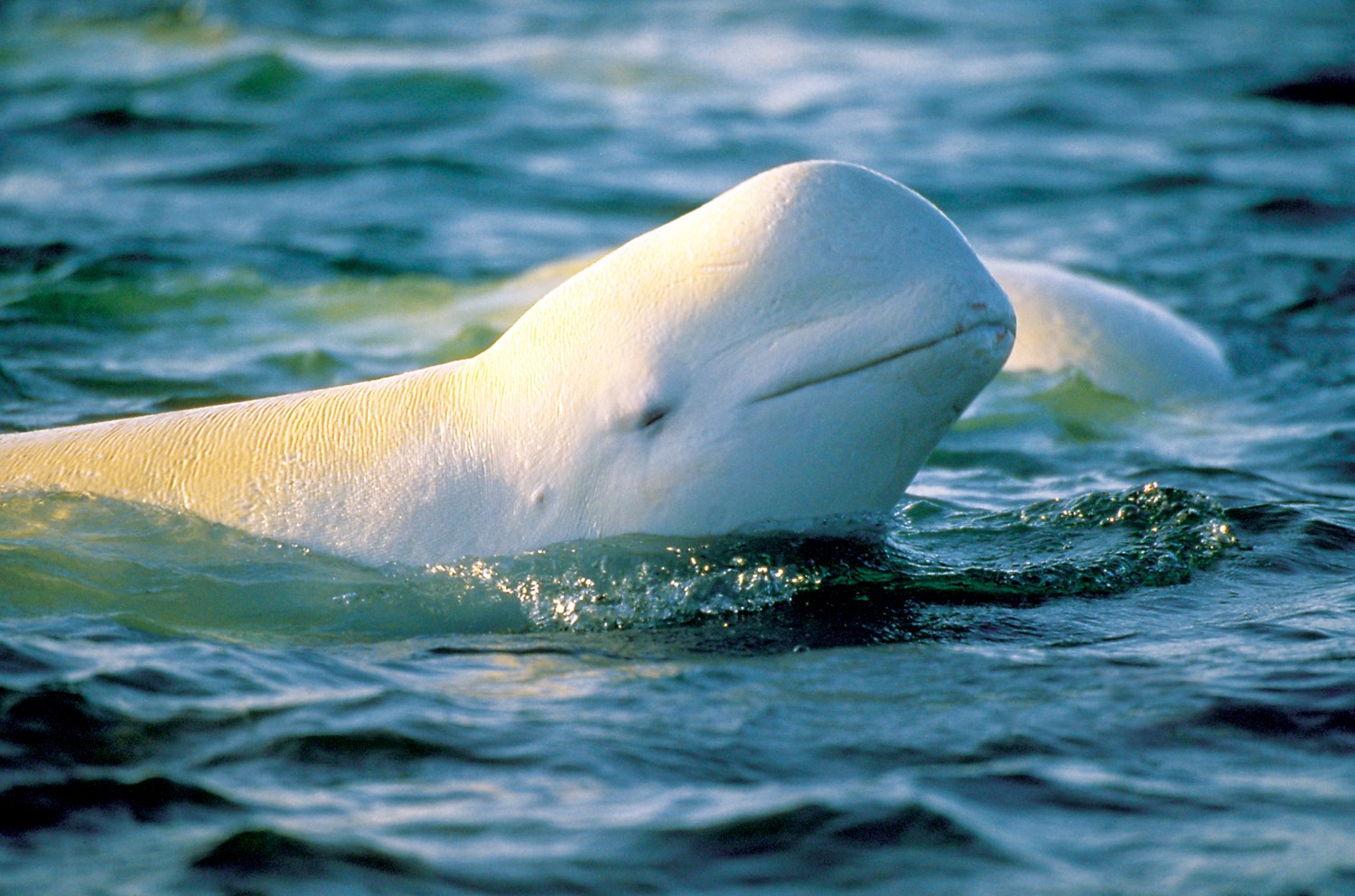
STATE MAKES MOCKERY OF “RESPONSIBLE DEVELOPMENT” BY LETTING OIL INDUSTRY INCREASE TOXIC POLLUTION IN PRIME BELUGA & FISH HABITAT Download the Press Release here HOMER, AK - Today a coalition of groups, filed by Trustees for Alaska, pressed the Alaska Department of...
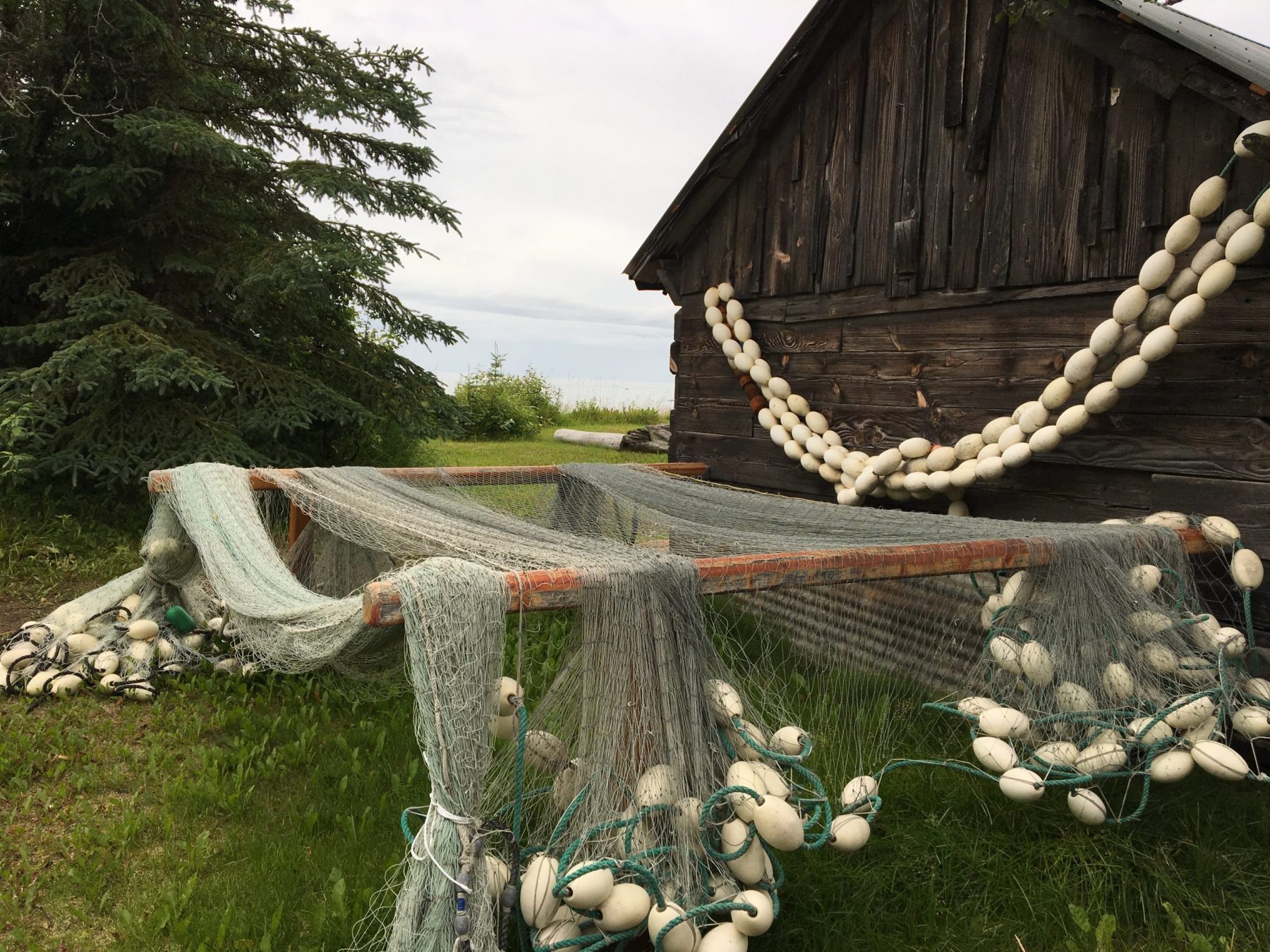
Trading Food Security, Fisheries, and Local Economies for Temporary Gains: Oppose Lease Sale 258
Fishery health will drive Alaska’s future. By listening to longtime Alaskan fishermen and community elders, the message is clear: Alaska’s fisheries have changed, and not for the better. In 2020, federal managers closed the Pacific Cod fishery in Cook Inlet because of the “warm blob”–a phenomenon that will only become longer and appear more frequently with climate change. This summer, the Yukon salmon fishery crashed, causing many rural villages to rely on others for this coming winter.
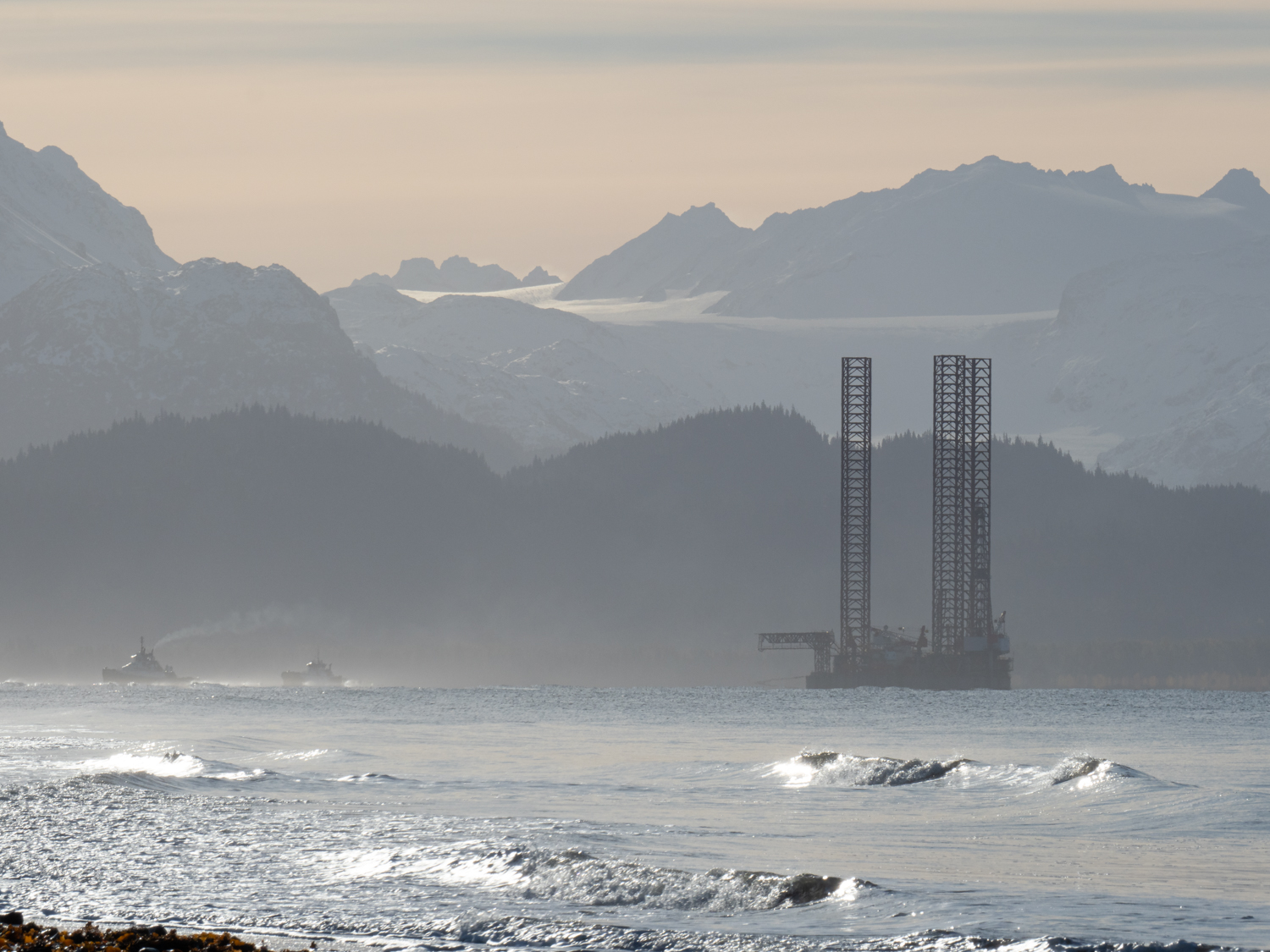
You are Inletkeeper and Cook Inlet Needs You!
You are Inletkeeper - and NOW is a critical time to stand up for Cook Inlet. Last Friday, the Bureau of Ocean Energy Management (BOEM) released the draft Environmental Impact Statement for the proposed oil and gas lease sale in Lower Cook Inlet. We now have 45 days to...
Politics, not Science, Define Alaska’s Permitting Process
At Inletkeeper, we often talk about the “myth of rigorous permitting.” And the state has provided us with a perfect example of what we mean with their water quality certification of the proposed Donlin Mine. The Alaska Department of Environmental Conservation’s...